When people lose a large amount of weight in a relatively short period of time, particularly after bariatric weight loss surgery or through semaglutide injections (Wegovy), they usually are left with vast amounts of excess skin. The weight loss associated with bariatric surgery and semaglutides can be life-changing, improving a patient’s overall health by losing a hundred pounds or more. Unfortunately, this leaves the patient “wearing” skin that fits his or her previous body frame but doesn’t reflect the dramatic changes weight loss provides.
Through a specialized combination of plastic and cosmetic surgery procedures, Dr. Jason Lichten, our board-certified plastic surgeon, is able to contour your body and “tailor” your skin to fit the new you. Body contouring after weight loss is accomplished the same way that you tailor your clothes, but instead of inserting a pleat, the excess skin is removed and stitched back together. Depending on your areas of concern, post-bariatric body contouring often requires multiple surgeries for your skin to fit your reduced body size. While scars in the areas where the skin is removed are the trade-off for an improved body contour and the ability to comfortably fit into new clothes, Dr. Lichten works to make scarring as minimal as possible, and most patients say the results are ultimately worth it.
Dr. Lichten is committed to providing the best possible experience for our patients and treatment plans that are fully customized for each individual’s unique needs and goals. Our plastic surgeon conducts all surgical consults, treatments, and follow-up appointments himself to ensure patients know that he is with them throughout all steps of the treatment process.
Explore Topics On This Page:
- Plastic Surgery After Weight Loss from Wegovy® and Semaglutide Injections
- Belt Lipectomy (Lower Body Lift)
- Brachioplasty (Arm Lift)
- Thigh Lift
- Abdominoplasty (Tummy Tuck Surgery) / Panniculectomy
- Breast Reduction
- Butt Lift
- Facelift
- Dermal Fillers
- How Do I Choose the Best Surgeon for Body Contouring After Weight Loss?
- Frequently Asked Questions (FAQs) About Body Contouring After Massive Weight Loss
“I cannot recommend Dr. Lichten enough. As the final step in my weight-loss journey, I chose skin removal surgery, and Dr. Lichten truly understood the assignment. From my very first visit, he and his entire team were compassionate, respectful, and understanding. My procedures were done in two rounds: a breast lift, lateral chest lift, and brachioplasty, followed by an abdominoplasty with mons reduction. The results have been life-changing. Dr. Lichten didn’t just restore my confidence — he gave me freedom from excess skin and allowed me to fully enjoy the body I worked so hard for. I am incredibly grateful to him and his team. ”
Plastic Surgery After Weight Loss from Wegovy® and Semaglutide Injections
Millions of people have taken advantage of a new treatment for weight loss that has shown extraordinary promise. Injectable solutions such as Wegovy contain an ingredient called semaglutide, which imitates the body’s GLP-1 hormone. Semaglutide has been used in the treatment of type 2 diabetes for many years due to its ability to help regulate blood sugar. Its effects can also include weight loss since semaglutide acts as an appetite suppressant and helps improve metabolism. Once it became available solely as a weight loss solution, many individuals signed up for treatment and experienced significant weight loss as a result. However, similar to the effects of massive weight loss after bariatric surgery, patients who lose large amounts of weight from semaglutide treatment programs may also develop loose, sagging skin that collect in numerous body areas. If you are experiencing these concerns after Wegovy or other weight loss treatment regimens that involve Semaglutide injections, Dr. Lichten can help. With the many body reshaping options available from our practice, Dr. Lichten can help you complete your transformation and enhance your contours with stunning results.
Below you will find additional information on body reshaping after weight loss and procedures that can be of significant benefit in specific areas. This is by no means an all-inclusive list; Central Ohio Plastic Surgery provides a full range of options that can be part of a customized treatment plan. If you are considering your next steps to achieve the body of your dreams following weight loss, Dr. Lichten will be happy to meet with you for a consultation.
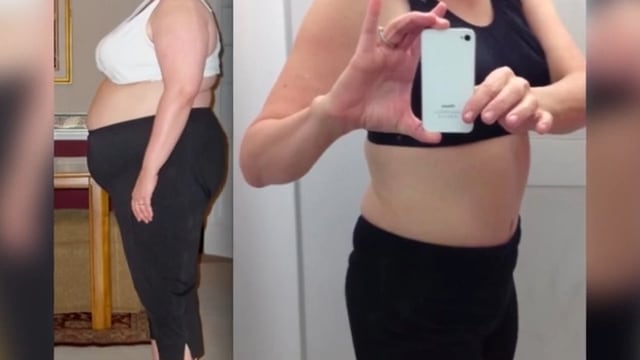
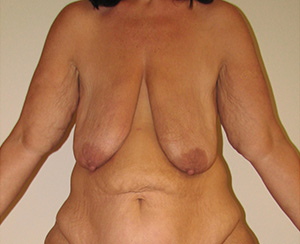
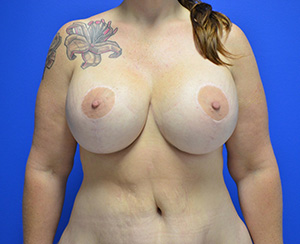
After Weight Loss Before-and-After Photos
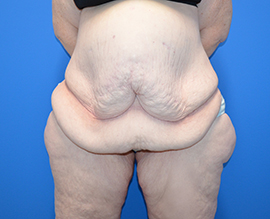
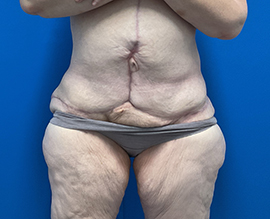
Belt Lipectomy (Lower Body Lift)
A belt lipectomy, commonly known as a lower body lift, can address several of the most common areas affected by excess, sagging skin after massive weight loss. This treatment focuses on removing loose tissue around the waist, buttocks, and abdominal areas. The remaining skin is pulled taut to create beautiful new contours in the lower part of the body.
Brachioplasty (Arm Lift)
Excess skin on the upper arms is often an undesirable effect of significant weight loss. Upper arm skin may become loose and begin to sag simply because of age, but also commonly occurs in patients who have had bariatric surgery or Wegovy injections. Dr. Lichten performs brachioplasty (an arm lift) to help correct these cosmetic issues by removing the excess skin beneath the arms and tightening the flabby tissue, as well. Excess fat in the upper arms also may be addressed by a liposuction procedure.
Thigh Lift
Similar to other plastic and cosmetic surgery procedures, such as an arm lift and a tummy tuck, the thigh lift serves to tone sagging skin and flabby tissue following major weight loss. By surgically removing excess skin and tissue, the thighs may become trimmer and more contoured. If you suffer from sagging, bulging skin on your thighs, you might be an excellent candidate for a thigh lift, with or without liposuction.
Abdominoplasty (Tummy Tuck Surgery) / Panniculectomy
Tummy tuck surgery, medically referred to as abdominoplasty, reduces excess skin in the abdominal region, tightens underlying abdominal muscles, and redrapes the remaining skin for a firmer, flatter appearance. This is one of the most frequently performed body contouring after weight loss procedures since loose, sagging skin has a tendency to collect in the abdomen. Additionally, Dr. Lichten offers panniculectomy procedures to help patients who are suffering from severe cases of overhanging abdominal skin that is creating debilitating medical conditions.
Breast Reduction
Excess fat and skin can dramatically affect the breasts after significant weight loss, often making them too large and pendulous for one’s smaller body frame. Breast reduction surgery can correct these concerns and improve breast proportions.
Butt Lift
Dr. Lichten offers two different techniques for buttock enhancement. The Brazilian butt lift takes excess fat from one area of the body via liposuction and transfers it to the buttocks to add volume and improve their shape. Butt lift surgery can also be performed by removing loose, sagging skin and tightening the remainder for smoother, more defined buttocks. He can also perform gluteal enhancement using Alloclae and Sculptra injections.
Facelift
Many individuals may experience a pronounced sagging effect in the skin of the mid- to lower facial area after weight loss that makes one look older than they actually are. Facelift surgery can correct these concerns and smooth the tissues for a more youthful appearance.
Dermal Fillers
It is not uncommon for areas of the face such as the cheeks to lose volume after weight loss, resulting in a “hollow” look. Injectable dermal fillers, like the JUVÉDERM® family of fillers, can restore lost volume to these areas with exceptional results.
Frequently Asked Questions (FAQs) About Body Contouring After Massive Weight Loss
I have recently lost a lot of weight. I feel great, but I have a lot of hanging, loose skin. What are my options?
Surgery can be done to contour any area of the body that bothers you. The tradeoff is residual scarring; however, our board-certified plastic surgeon, Dr. Lichten, strives to make the scars as inconspicuous as possible. The most common treatment options are:
Abdomen: Belt lipectomy (body lift), abdominoplasty/panniculectomy (tummy tuck)
Breast: Mastopexy (breast lift), breast augmentation (breast implants), gynecomastia treatment (male breast reduction/upper body lift)
Extremities: Brachioplasty (arms/”batwings”), thighplasty (thigh lift), butt lift, liposuction, CoolSculpting®
Face: Facelift, neck lift, brow lift, blepharoplasty (eyelid lift), BOTOX® Cosmetic and facial fillers (JUVÉDERM) injections
What is the most common order to do these procedures?
The most common post-weight loss surgery my patients request is the belt lipectomy, or “lower body lift.” The second most common involves arm or thigh enhancement combined with procedures focusing on the chest for men or a breast lift for women. The third most common is an arm/thigh procedure plus breast implants for women. Facial procedures are the fourth most commonly requested options.
These surgeries can be done in any order, depending on your individual wishes.
How long do I have to wait after my bariatric surgery/weight loss to have the reconstructive surgery?
Dr. Lichten’s general recommendation is to schedule surgery about 12-18 months after your bariatric surgery, or until your weight loss has plateaued for two to three months, although your insurance may have different requirements. You are welcome to consult with our plastic surgeon earlier than that. Many patients find it helpful to have a plan, and it can also help to incentivize their weight loss. If you are having more than one surgery, Dr. Lichten recommends waiting two to three months between surgeries to allow your body to fully heal.
Does insurance cover the surgeries?
All insurance plans are different. We recommend you call the phone number on the back of your insurance card and ask them to check coverage and benefits for your particular plan, as some plans specifically exclude post-bariatric reconstruction.
In our experience, insurance companies rarely cover breast lift, thighs, and arms. We have never seen insurance cover facial procedures, breast augmentation, CoolSculpting®, or injections. Insurance will sometimes cover a panniculectomy (stomach) and breast reduction, if symptoms have been documented and conservative treatments have failed. Although we can’t speak to the specifics of any one plan, we have noted that insurance companies are looking for documented symptoms like back, neck, and shoulder pain, rashes and infections in the skin folds, and grooving in the shoulders. Conservative therapies can include topical lotions or antibiotics, NSAIDs, muscle relaxers, visits to a chiropractor, or physical therapy.
What else do I have to do before having body contouring surgery?
Aside from reaching a stable weight, candidates for body contouring surgery should be in stable medical health (you will need to get medical clearance from your primary care physician). You should also have all nutritional and metabolic issues related to the weight loss under control. To minimize the risks of having wound healing issues after surgery, you must avoid smoking, tobacco and nicotine in all forms for four weeks before and after surgery and you should have good overall nutrition with high protein intake. Additionally, you need to make sure you are realistic in your expectations of what this surgery will do.
What is the recovery like? What is my downtime?
Although every patient’s experience is different, generally you can expect about two to three days of pain and two to three weeks tapering off the pain medication and resumptions of regular activities. In two to three months, you should be able to resume all regular activity.
Is this surgery in-patient or can I go home?
Whether you stay overnight for one night or go home on the day of surgery will typically be determined by the length of your surgery. For longer surgeries, patients may need to stay overnight so hospital staff can manage their pain and the first stages of their recovery.
What qualifications should I look for in a reconstructive surgeon?
You want to start with a surgeon who is board certified in plastic surgery, such as Dr. Lichten. From there, make sure they seem like someone you can trust and who makes you feel comfortable. He or she should also have good experience with body contouring procedures and be able to work with you to produce optimal results.
Learn more about Dr. Lichten’s extensive background, credentials, and professional experience.
What are the most common surgical options for body contouring after massive weight loss?
Surgery can be done to contour any area of the body that bothers you. The most common treatment areas are the abdomen, breasts, arms, legs and face. The tradeoff is scars which plastic surgeons try to make as inconspicuous as possible. There are several options to improve each of these body regions, depending upon your specific needs:
Abdomen
- Belt Lipectomy/Lower Body lift – Addresses loose skin around the abdomen, waist and buttocks. Abdominal muscles are tightened from the ribs to the pubis.
- Abdominoplasty – Removes excess skin from the upper and lower abdomen and tightens the abdominal muscles. It typically leaves a scar that can be hidden in the bikini line.
- Fleur-de-lis Abdominoplasty – Similar to the abdominoplasty, but adds a vertical component to enable additional skin tightening of the central abdomen.
- Panniculectomy – Removes hanging apron of skin from the lower abdomen. May sometimes be covered by insurance.
Breasts
- Mastopexy (Breast lift) – Skin is repositioned to lift and reshape the breasts while preserving breast volume.
- Breast Reduction – Excess skin and breast tissue are removed to lighten, lift and reshape the breast. May sometimes be covered by insurance.
- Breast Augmentation – Saline or silicone Implants are placed beneath the breast and chest muscle to restore volume to the breasts. This is sometimes done along with a breast lift or reduction.
- Male Breast Reduction and Upper Body Lift – Excess skin and tissue are removed from the chest and lateral chest wall.
Arms & Legs
- Brachioplasty – Remove excess skin on the arms, which is sometimes known as “bat wings.” Scar in the biceps groove.
- Thighplasty – Remove excess skin between the thighs that rubs together.
- Liposuction – Remove residual pockets of excess fat along the thighs, flanks and arms.
Face
- Facelift, Neck Lift, Brow Lift, Blepharoplasty (Eyelid lift) – Sagging skin is lifted on specific areas of the face.
What is considered massive weight loss?
According to the American Society for Metabolic and Bariatric Surgery, “massive weight loss” is considered the loss of at least 100 pounds or more than 40% of your excess weight, which is usually achieved through bariatric surgery, lap band surgery, semaglutides or though diet and exercise. Body contouring after massive weight loss involves the removal of loose, excess skin, which is resistant to diet and exercise. Through surgery we can tighten these areas to help contour the skin to fit your new body and help better reflect the results of your weight loss.
Why won’t my skin just snap back to fit my thinner body without surgery?
Your skin contains elastin fibers that help the skin stretch, move, and adapt to changes in weight. Although skin tends to contour to your body, when you have rapid weight loss or gain, you lose elasticity, much like a rubber band loses its snap after time and use. Although your skin tightens some with weight loss, it is unlikely that it will fully recover. Despite exercise, there will likely be some areas of skin laxity after this degree of weight loss without body contouring surgery.
How long do I have to wait after my weight loss surgery to have the reconstructive surgery?
Dr. Lichten generally recommend that you request a consultation about 12 to 18 months after your bariatric surgery when your weight loss begins to plateau. You are welcome to consult with him earlier, as it helps many patients to have a surgical plan and for others, it helps incentivize their weight loss. If you are attempting to have surgery covered by insurance (see below), your insurance company may have specific requirements about how long you have to wait before body contouring surgeries.
What else do I have to do before having body contouring surgery?
Aside from reaching a stable weight, you should be in stable medical health – you will need clearance from your bariatric surgeon or primary care physician. You should also have all nutritional and metabolic issues related to the weight loss surgery under control. To minimize the risks of having wound healing issues after surgery, you must avoid tobacco and nicotine in all forms for at least four weeks before and after surgery and have good overall nutrition with high protein intake. Additionally, you need to make sure you have realistic expectations for this surgery.
Does my insurance cover body contouring after massive weight loss?
All insurance plans are different. We recommend you call the phone number on the back of your insurance card and to check coverage and benefits for your particular plan, as some plans specifically exclude post-bariatric reconstruction. In our experience, insurance companies only cover body contouring, when there is sufficient documentation of problems, such as rashes, skin breakdown requiring powders, creams, and antibiotics. Other problems, such as chafing, trouble fitting into clothing, difficulty participating in activities, or a general disappointment with your skin’s appearance are generally not sufficient to secure insurance coverage for this type of surgery.
For specific areas of the body, insurance may sometimes cover a panniculectomy (removal of skin of the lower part of the abdomen) or breast reduction. It is much less common for insurance to cover breast, thigh or arm lifts, or treatments of the upper abdomen or back. We have never seen insurance cover facelift, breast augmentation or minimally invasive procedures such as Tripollar™ Apollo®.
What do I do if my insurance does not cover my surgery? How much does body contouring cost?
If your insurance company does not approve your surgery, then we will discuss the specific costs associated with surgery at your consultation. Dr. Lichten will work with you to come up with the best treatment plan for your specific complaints. For patients who choose to finance their surgeries, we will discuss different options with you.
How much surgery can be done at once?
You and Dr. Lichten will discuss your specific surgical goals and together you can come up with a treatment plan. In general, we try to address two or three areas at a time. These surgeries can be done in any order depending on your wishes. Additional surgeries can be scheduled after at least two to three months.
What is the recovery like? What is my downtime?
Although every patient’s experience is different, generally you can expect about two to three days of pain, two to three weeks tapering off the pain medication and resumption of regular activities. In four to six weeks, you should be able to resume lifting and regular activity. You should “feel like yourself” after a few months.
For some procedures or combination of procedures, you may spend one or two nights in the hospital, or you may go home the day of surgery. You will most likely have drains in place which you will take care of at home (we will show you how) for a couple of weeks after surgery.
What are the risks of body contouring after massive weight loss surgery?
Every surgery carries with it risks and potential benefits and this type of surgery is no different. The most common risks include bleeding, infection, and scarring. All surgery has scars which are permanent, but Dr. Lichten's patients generally feel are worth the tradeoff for removing the excess skin. He will go over the other, less common, risks before surgery.
Are there other options that don’t involve surgery?
Diet and exercise are incredibly important, but often patients are left with loose skin that only surgery can remove. We are able to offer our patients skin tightening using the Tripollar™ Apollo®. Through enhanced generation of new collagen and tightening existing collagen, the technology treats loose jowls, sagging skin under the chin (“turkey neck”), wrinkles and fine lines, and generally tones and lifts the face. Although not specifically addressed by the FDA for body contouring, the Tripollar™ Apollo® device has been used around the world on the body with amazing results. We offer this option to our body contouring patients as both a stand-alone treatment, and in conjunction with surgery. Although the results are not the same as what we can achieve with surgery, many patients have found a benefit from these treatments, which can be started much earlier while you are still losing weight.
What qualifications should I look for in a reconstructive surgeon?
You want to start with a surgeon who is board certified in plastic surgery. From there, make sure he or she seems like someone whom you can trust and with whom you feel comfortable. They should also have good experience with body contouring procedures after bariatric surgery and be able to work with you and your bariatric surgeon to get you optimal results.
Contact Us
If you have questions about our body contouring after weight loss treatments, or if you are ready to schedule a consultation with Dr. Lichten, please contact our practice today.
If you are interested in learning more about arm lift, thigh lift, or other body contouring cosmetic surgery options, request a consultation online. You can also call 740-653-5064 (Lancaster) or 614-862-8008 (Columbus) to schedule your visit with Dr. Lichten. We look forward to meeting with you.